Gathering Indigofera Leaves
We collect Indigofera leaves from different parts of Lira, mostly with the help of community members. The women especially know these plants very well because they often see them around gardens, farms and know their local names.
That’s how we learned that Indigofera Arrecta is locally called “Awae Dok.” “Awae” means broom and “Dok” means cows. People use the plant to make local brooms, and cows also feed on it while grazing.
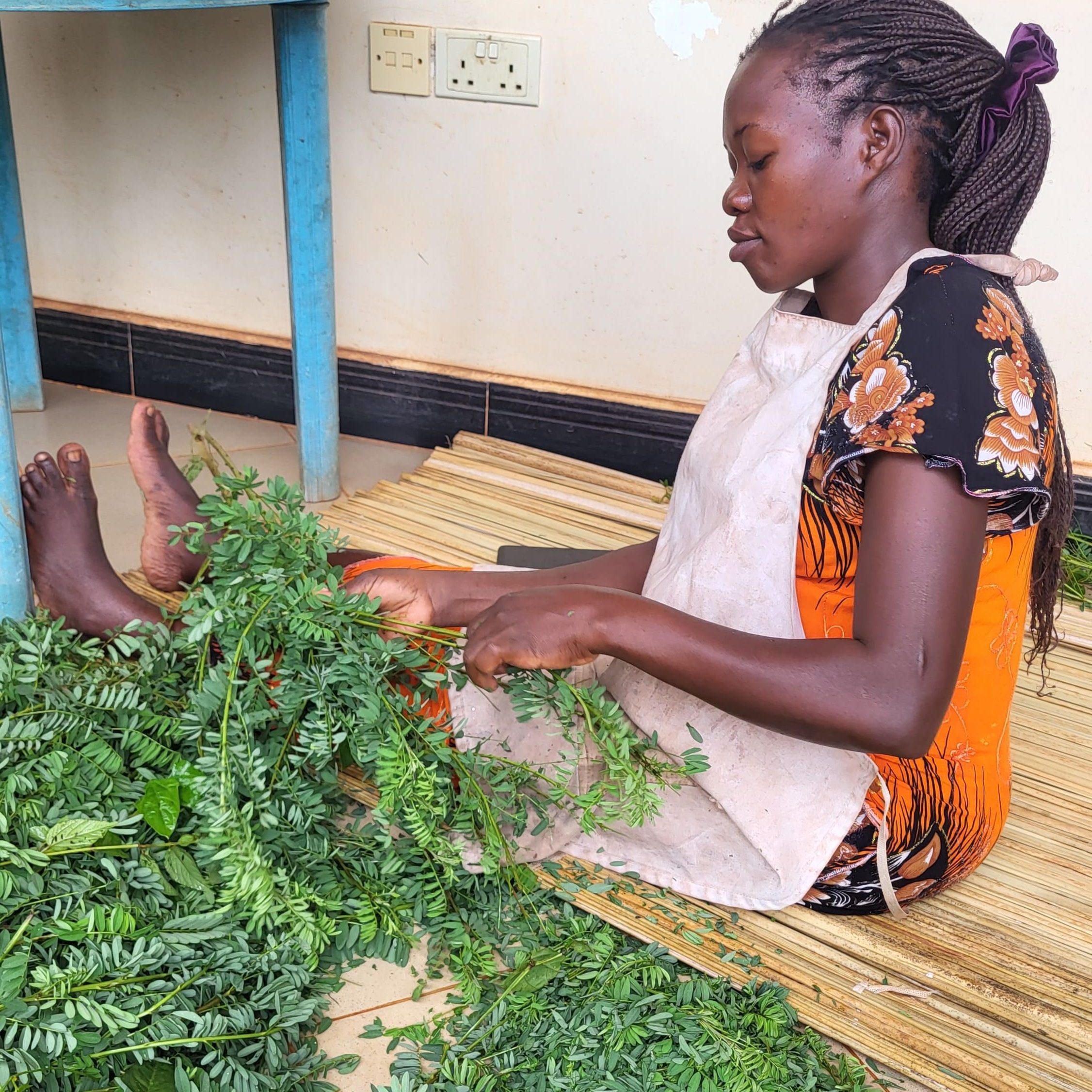
After collecting the leaves, we bring them back to the studio and sit together as a team to remove the leaves from the stems by hand. The leaves are then soaked in buckets of water and covered overnight for about 24 hours before we begin the next steps of processing, aeration, and mixing.
why do we pound and grind the Pigment?
Our earth pigments begin with gathering natural clay and rocks from different places. Once we bring them back to the studio, the process starts slowly by hand. We first break the larger pieces into smaller ones, then continue grinding and pounding them. This step is important because it makes the material finer and easier to work with during the next stages.
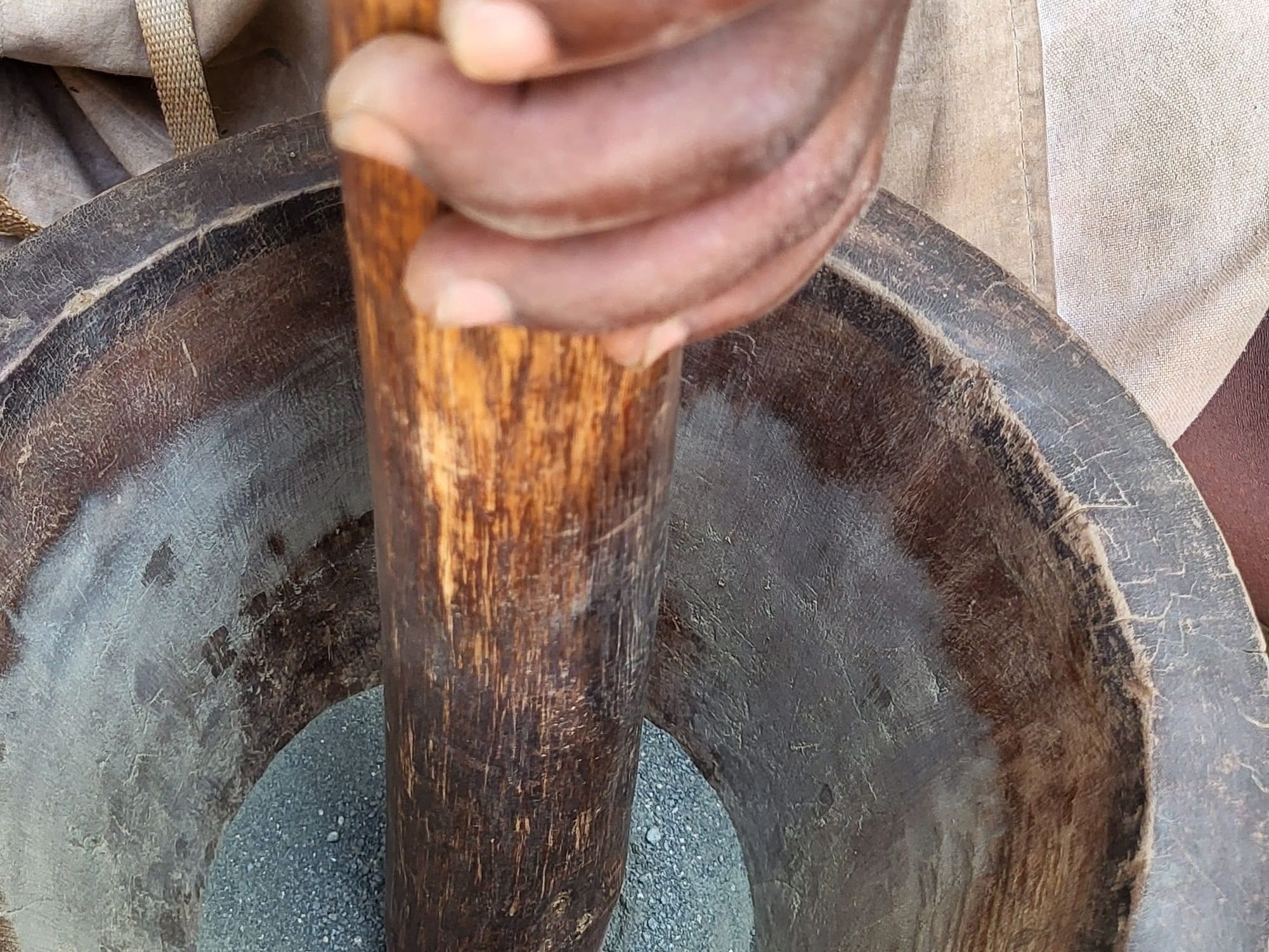
As the clay and rocks become smaller particles, we sieve them carefully to separate the smooth pigment from unwanted materials. After sieving, we wash the pigments and begin levigation, allowing the heavier particles to settle while keeping the finer pigment.
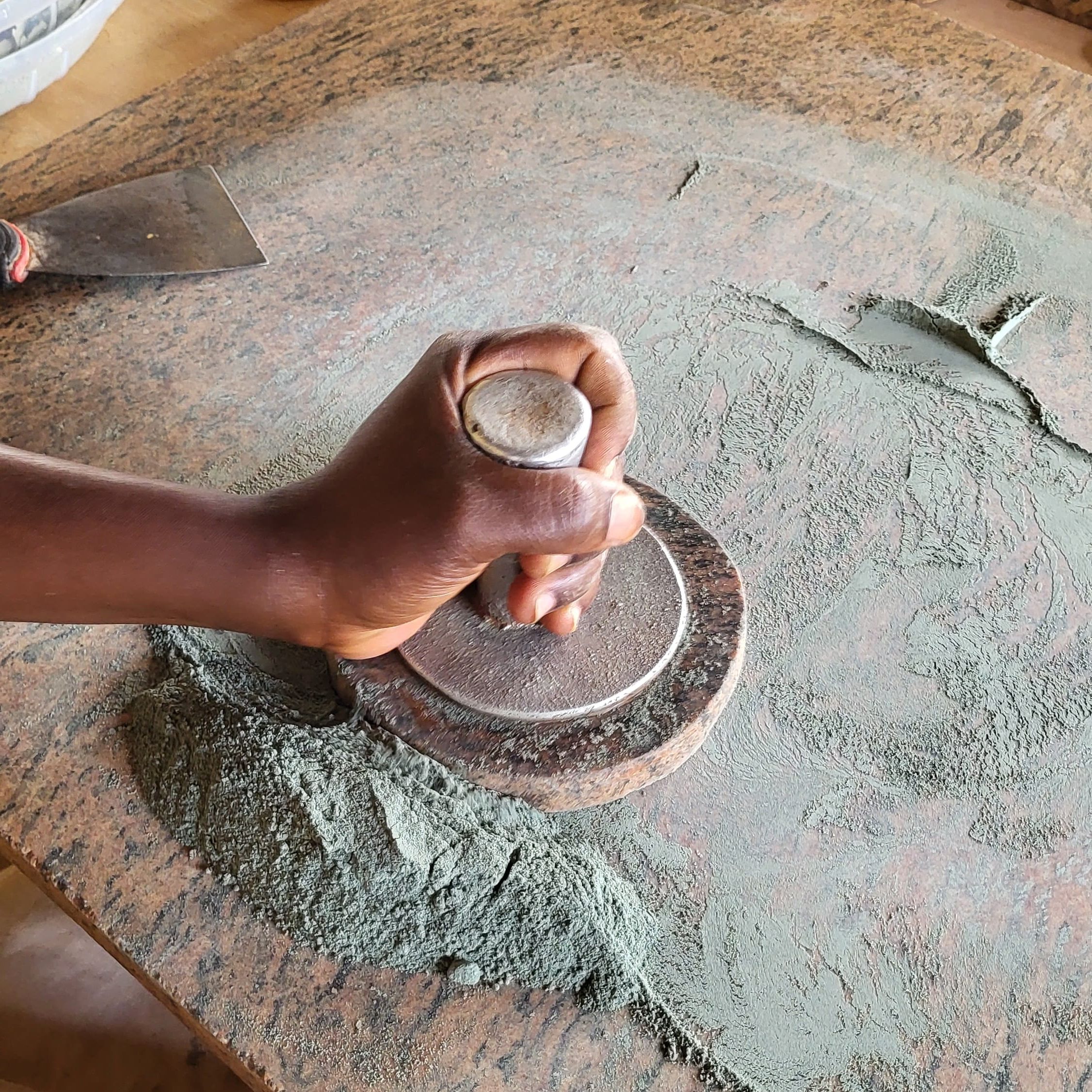
The final step is drying. We spread the pigments out and allow them to dry naturally before they are ready to be used again in new forms and colors. Every stage takes time, patience, and teamwork, but it allows us to stay connected to the materials and the process behind each pigment we make.
Teaching Young Mothers to Paint Traditional Walls
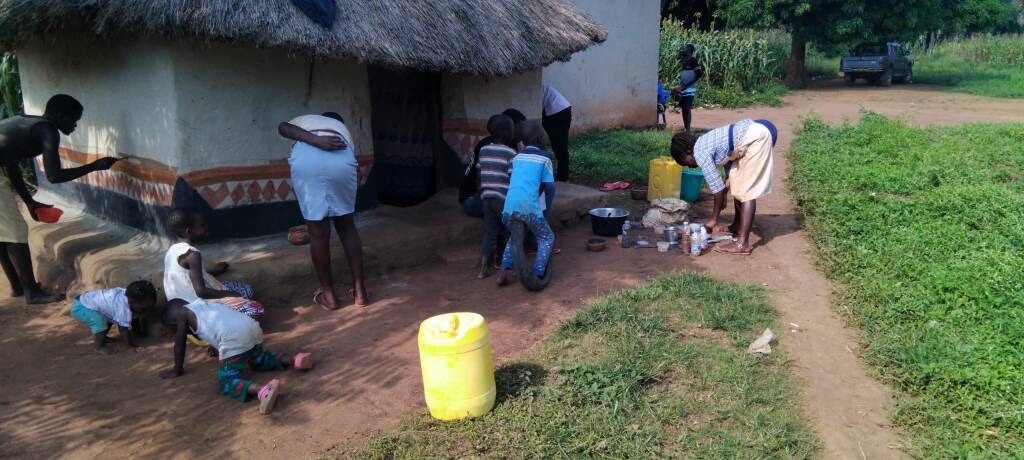
As part of our ongoing community activities, we regularly work with young mothers, teaching them how to carefully collect natural earth colors, turn them into wall paints , and use them to decorate traditional walls. It’s not just about colors, it’s about learning new skills , expressing creativity, and building confidence.
We involve young mothers because they face many challenges , and these sessions give them a chance to grow, learn , and feel proud of what they can create.
The wall painting moments are always full of joy and laughter, as they get to create the designs by themselves , whether they did not do it perfect but they learn that everything skill can be discovered by doing.
Paintmakers of Lira showing Young Mothers how to Express Themselves Through Painting.
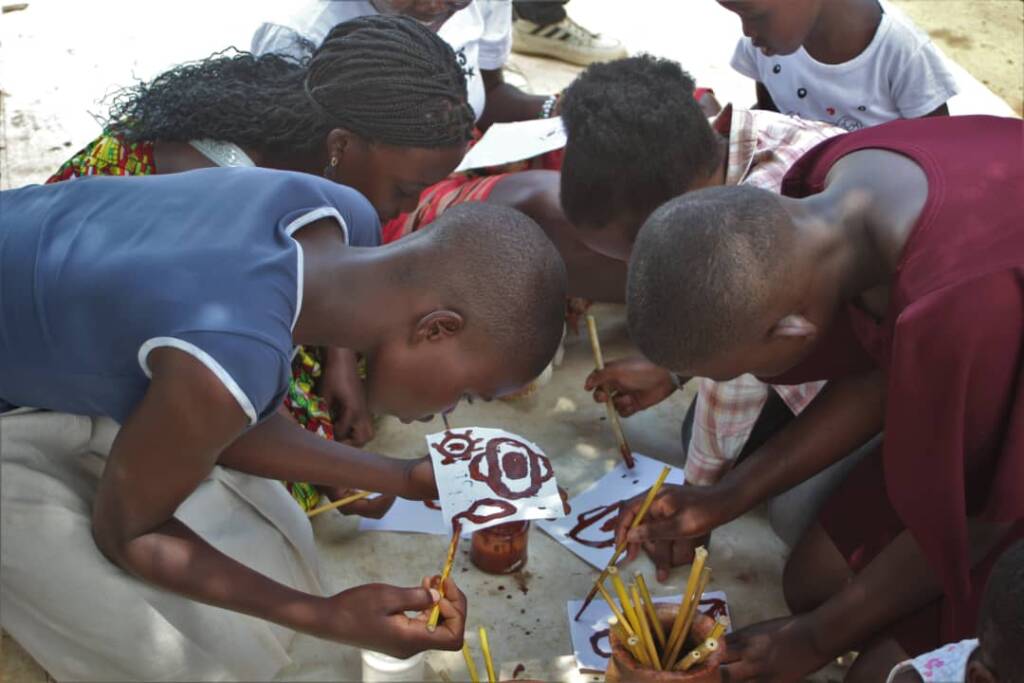
During the Hood-to-Hood Community Outreach that took place in Odokomit trading Center, Lira City, Paintmakers of Lira proudly collaborated with Artists for Development (A4D), Warom Dance Foundation , and Fatiya Foundation to directly support young mothers and youths within the neighborhoods.
Our focus was on engaging young mothers through art and mentorship. We guided them in painting their emotions and images that illustrated menstrual hygiene using our handmade natural colors, they created powerful visual pieces that communicated important health messages.
This activity created a safe space where young mothers could learn, share experiences, and build confidence. We were able to realize that many were going through tough times but feared to speak out. By combining art with health education, we made the learning process engaging, practical, and meaningful.
Through our participation, we reaffirmed commitment to empowering young mothers, nurturing their creativity, strengthening their voices, and support their growth within the community.
Crafting Local Paintbrushes from Bamboo
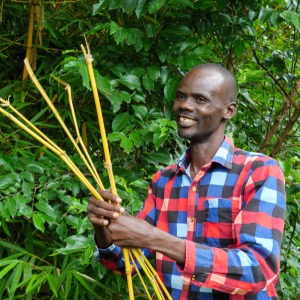
Lango culture is really great! You know, one of the things I love about the people of Lango is how naturally creative they are. They have this amazing ability to see possibilities in everyday things like making painting brushes from trees. They take simple twigs, some soft fibers from plants, and shape them into brushes that can bring colors and ideas to life. What’s really fascinating is that sometimes we don’t even realize the resources we have around us until we get curious enough to explore. It’s a reminder that nature itself can be an endless source of inspiration if we only take the time to notice. Just walking through the forests or fields there, you start to see that even the smallest branches or leaves can become tools for creativity. It really makes you appreciate not just their art, but the way they look at the world with curiosity, patience, and imagination.
Traditional Palettes from Walnut shells.
Imat Lango Cooking Stone
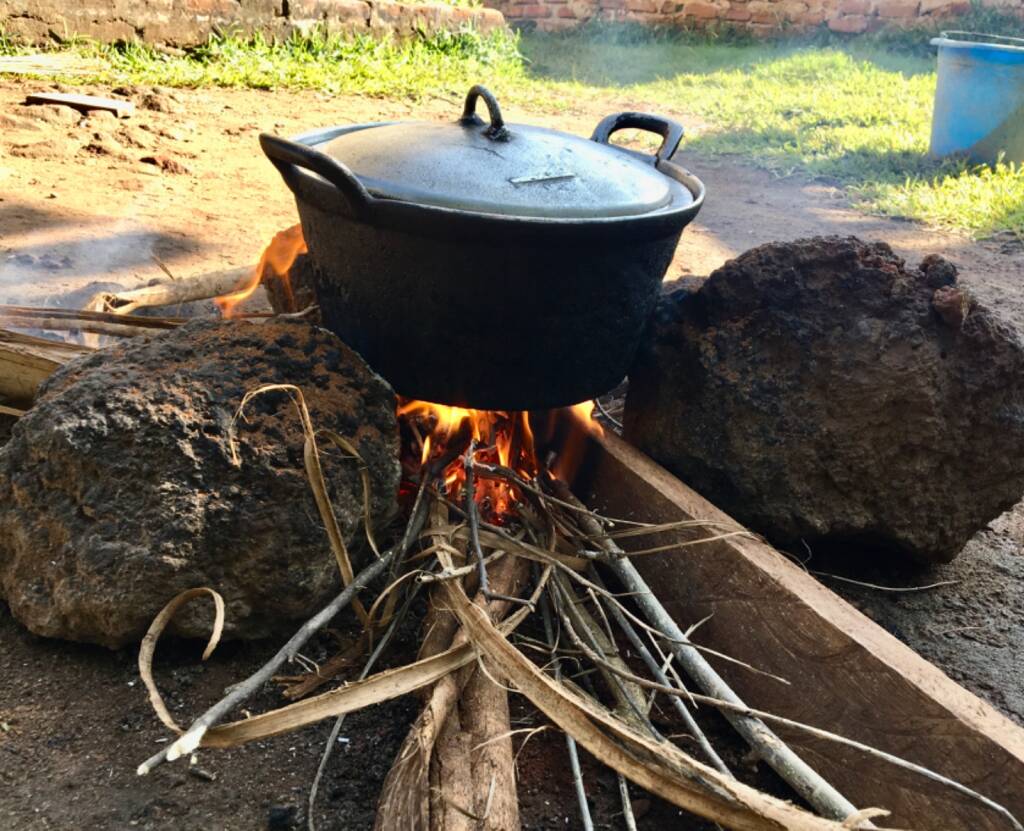
Have you ever heard of the Imat Lango cooking stone? It’s one of Lango’s most fascinating traditions. Long ago, it wasn’t just a way to cook, it was a gift from the mother-in-law to the daughter-in-law, welcoming her into the family. The setup is simple but brilliant: three stones arranged in a triangle hold a pot or saucepan steady over the fire, making cooking easier and more efficient.
The name itself is special. In Lango, women are respectfully called Imaki, and Imat refers to a woman. Since it’s the women who carry the tradition of cooking, the stones are named to honor them and these stones are passed down from mother to daughter, generation after generation.
Even today, many households still use the three-stone fire because it works so well. What’s amazing is how versatile it is you can cook all kinds of local dishes on it: Amalakwang, Agira, Agwaca, kwon Lango (Millet Posho) and more. It’s simple, practical, and full of tradition a small setup of stones and fire that carries centuries of creativity, family, and culture.
The Imat Lango cooking stone is more than just a tool; it’s a symbol of heritage, and the incredible creativity of the women of Lango.
Rubona Basket Weavers– Western Uganda
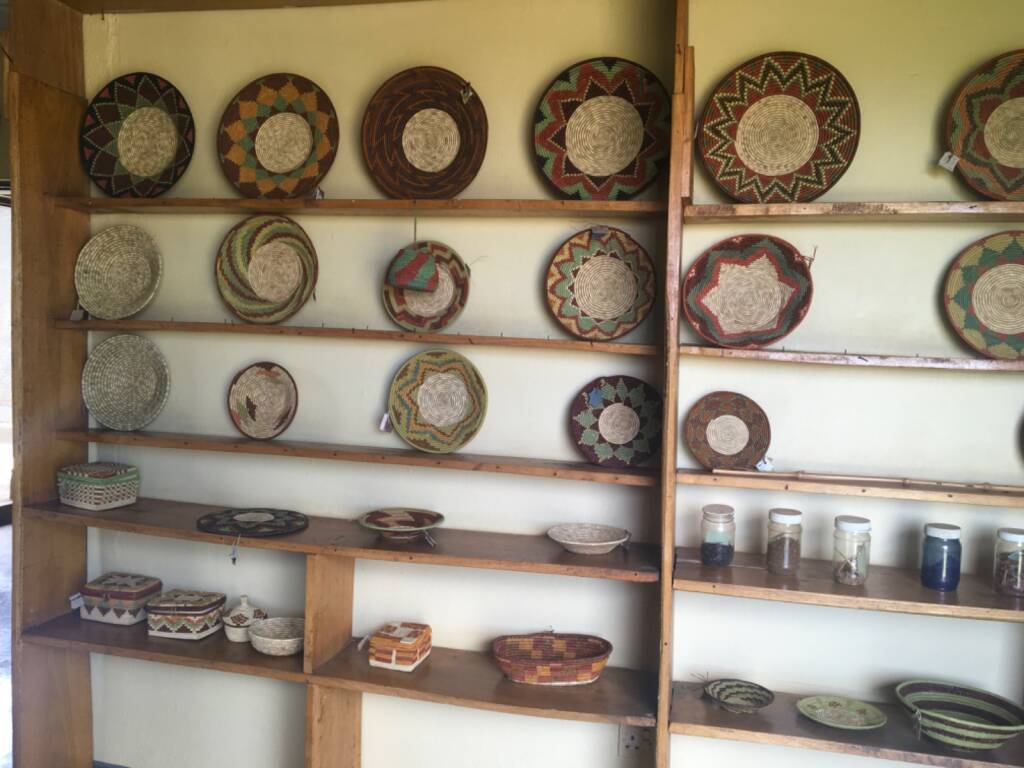
Adventure often leads us to discover new things just like in the village of Rubona in Fort Portal, Tooro region of western Uganda, where a group of women turned a simple tradition into something extraordinary. The Rubona Basket Weavers Association began as a way to survive, but it quickly grew into a craft that carries stories, culture, and resilience.
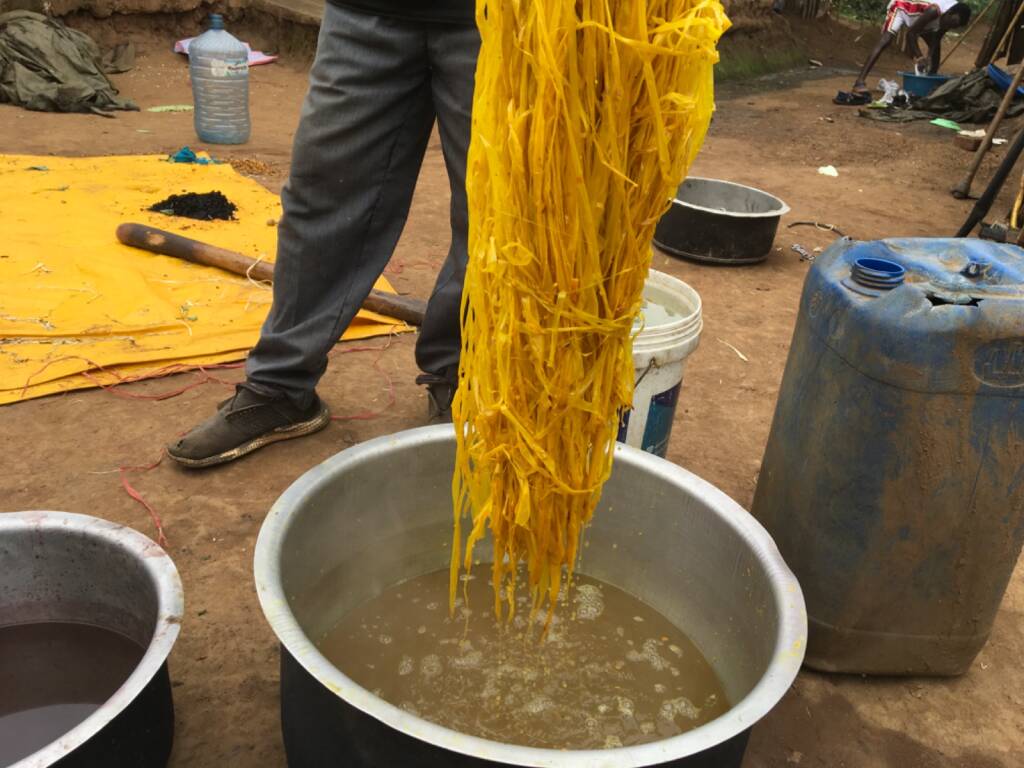
Using what nature provides, they create their own dyes madder roots for deep reds, indigo leaves for blues, and many other plants. Its so interesting that the region is widely known for basket weaving and dyeing , a special gift that they never get to share so easily. Each weave is not just a product, but a piece of heritage that shows how creativity and sustainability can go hand in hand.